If you're a restaurant owner or general manager, you already know that reservation systems aren't optional anymore. Your diners expect to book a table online in seconds, without picking up the phone. But when you look at the bills from booking software in 2026, the numbers can be shocking.
Many popular booking platforms charge on a "per-cover" model—taking $1 to $2.50 for every guest who books a table through their app. While this seems cheap when starting out, a busy 120-table restaurant processing 4,000 reservations a month can easily face monthly software fees of $4,000 to $8,000. That's a massive bite out of already tight restaurant margins.
The Three Pricing Models of 2026
When choosing how to handle online bookings, you generally have three options: legacy per-cover platforms, flat-rate SaaS subscriptions, and custom-built dedicated systems.
1. Legacy Per-Cover Platforms
These platforms (like OpenTable or Resy) offer a dual service: they give you reservation software and put you on their marketplace. However, this comes at an extreme cost. On top of a monthly base subscription of $150 to $300, you pay commission on every single diner. If a party of 4 books through their network, you are charged up to $4. If they book through a widget on your own website, you are still charged a "system fee" of around $0.25 to $0.50 per guest.
Annual Cost: $6,000 - $35,000+ depending on volume.
2. Flat-Rate SaaS Subscriptions
Flat-fee booking SaaS tools (like Tock or SevenRooms) charge a flat monthly subscription instead of per-cover commissions. These subscriptions typically range from $250 to $900 per month. While this makes your monthly bill predictable, they still lock you into their predefined customer databases, charge processing markups, and do not integrate seamlessly with your specific back-of-house kitchen workflows or custom staff scheduling systems.
Annual Cost: $3,000 - $10,800+ plus transaction markup fees.
3. Custom-Built Dedicated Systems
A custom-built operations platform is owned entirely by you. There are no monthly software licensing fees, no per-cover commissions, and no transaction markups. You pay a one-time development cost, and the software runs serverless on your own hosting accounts, costing virtually $0 to maintain. Because the code is tailored to your physical floor layout, it directly integrates your host stand, servers, kitchen, and billing.
Annual Cost: $0 recurring, with a one-time capital expense for design and engineering.
Calculating Your Real Booking ROI
Let's do the actual math for a mid-sized restaurant. Imagine a location that seats 150 covers per night. Over a month, that's roughly 4,500 diners. If 60% of them book online (2,700 covers):
- On a Per-Cover Marketplace ($1.50/cover + base fee): $249 base + $4,050 cover fees = $4,299 per month ($51,588 per year).
- On a Premium SaaS Subscription ($499/month + 1% payment fee): $499 base + $150 processing fee = $649 per month ($7,788 per year).
- On a Custom System (Built once, self-hosted): $0/month = $0 per month (saving up to $50,000 every single year).
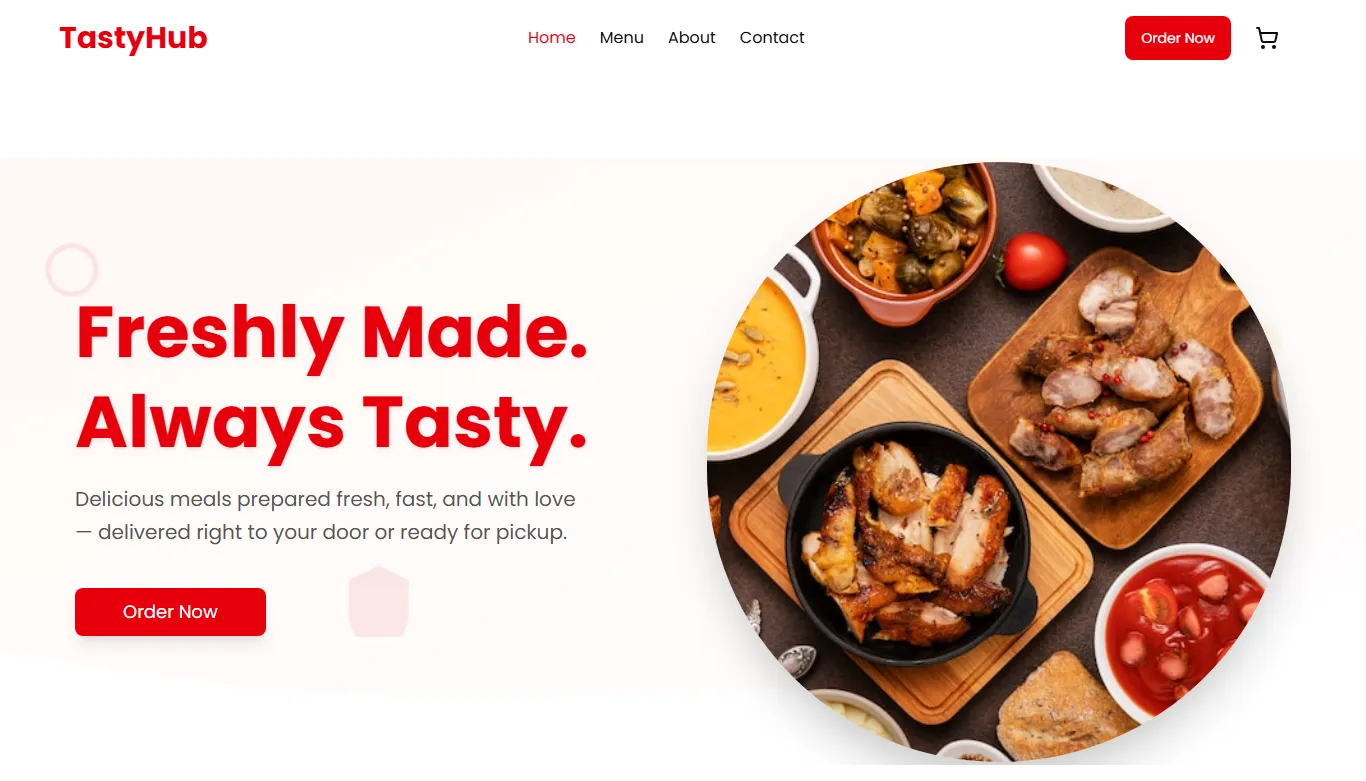
For a real-world example of how a busy restaurant completely eliminated third-party booking commissions, check out our TastyHub Case Study. By engineering a custom, commission-free reservation and online ordering flow, we helped them boost table turnover by 40% while saving thousands of dollars every month.
When Does a Custom System Make Sense?
A custom booking system is a major strategic asset, but it requires an upfront investment. It makes the most sense if:
- You have high volume: If you are seating more than 1,500 reservations per month, SaaS and cover commissions will quickly outpace the cost of custom development.
- You have a unique floor flow: If you have special dining rooms, patios, or event spaces that require custom seating constraints, off-the-shelf tools will force you into rigid patterns.
- You want to own your data: Legacy platforms list your competitors directly alongside you and market to your customers. A custom platform keeps your guest database 100% private.
Ready to see how we can design a commission-free system for your local brand? Take a look at our custom booking system services and discover how we build modern digital tools to maximize efficiency.