In the auto repair business, shop-floor efficiency is everything. When a vehicle sits on a lift waiting for a part, or a service bay stays empty because of a scheduling error, your business is losing money. Yet, many high-caliber auto repair shops still rely on traditional paper logs or local dry-erase whiteboards to manage their appointments and bay flow.
While this manual system might seem "free," it actually costs you thousands of dollars in lost technician hours, missed phone bookings, and sluggish administrative workflows. If your shop is experiencing any of the following five warning signs, it is time to transition to a modern online booking and operations system.
1. Your Service Advisors Spend Hours on "Phone Tag"
How many times a day does a service advisor answer the phone, check a scheduling board, and find out the requested slot is taken, leading to a long back-and-forth conversation? "Phone tag" is a massive drain on productivity. If your advisors spend more than 2 hours a day handling standard appointment scheduling, they are being distracted from high-value tasks like selling secondary diagnostics, sourcing parts, and explaining complex repairs to customers.
2. Mechanics Constantly Stop Work to Answer "Is It Ready?" Calls
When customers have no visibility into the status of their vehicle, they will naturally call the shop for updates. These phone interruptions disrupt your mechanics, pull them away from active diagnostics, and slow down your entire output. A digital dashboard that automatically triggers text alerts when a vehicle enters a lift, when parts are approved, and when the repair is completed immediately eliminates these constant phone distractions.
3. You Have Empty Bays During the Day But Are Booked Out Weeks in Advance
This is a classic symptom of poor scheduling visibility. If a customer cancels at the last minute or a job is finished early, an off-the-shelf spreadsheet system cannot automatically fill that opening. A smart, dynamic scheduling system tracks tech capacity in real-time and makes last-minute openings available for booking on your website instantly, ensuring your service lifts are consistently utilized.
4. Multi-Location Shops Operating in Isolated Silos
If you operate more than one service shop, managing inventory and technician workloads manually is nearly impossible. A customer might call Location A and get turned away because they are booked out, while Location B has two open bays and a free diagnostic lift. An integrated operations hub gives your service advisors a central view across all locations, allowing them to balance vehicle loads and share expensive diagnostic equipment seamlessly.
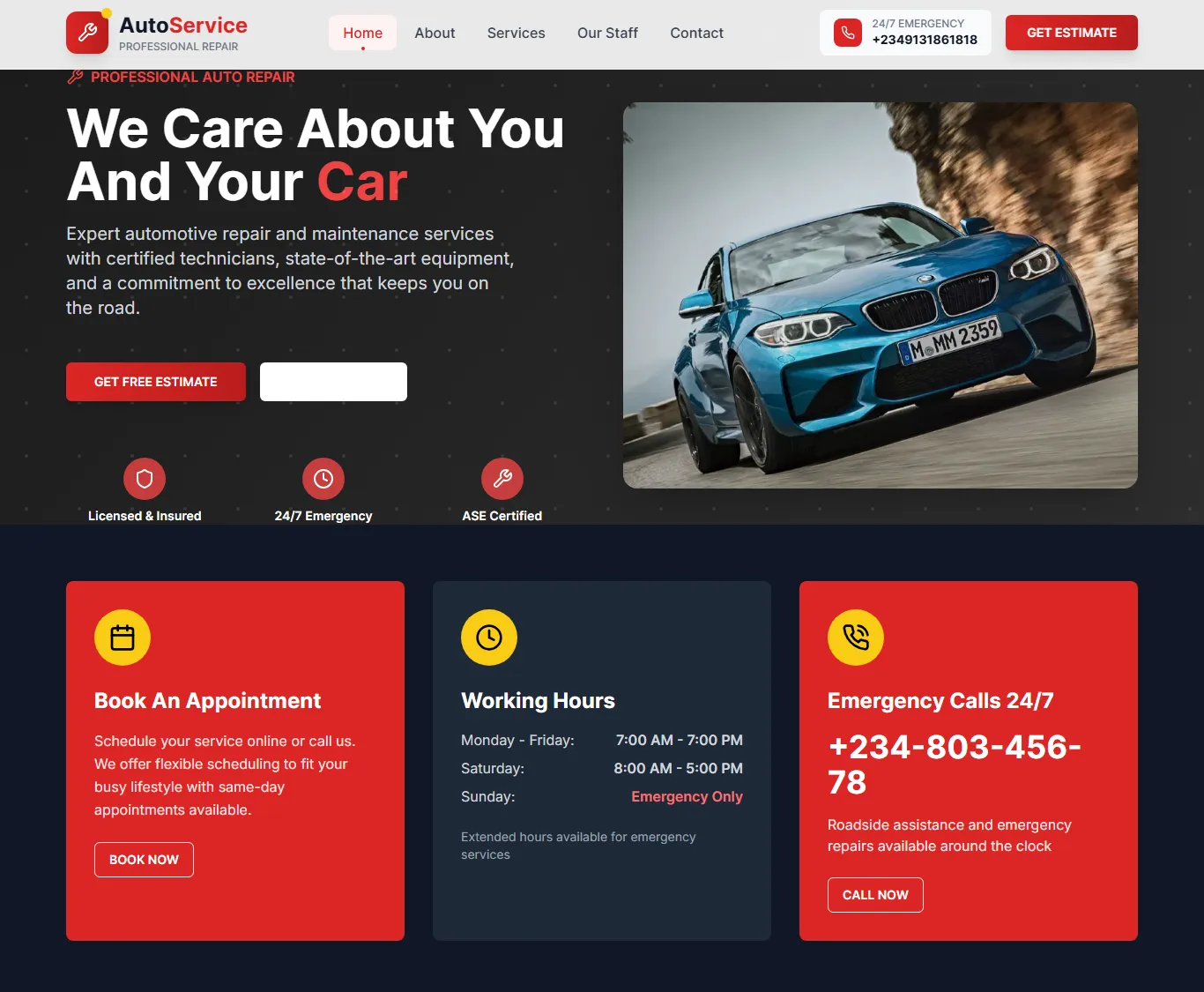
To see how we resolved this exact multi-location coordination bottleneck, explore our Auto Repair Services Case Study. We built a dynamic Austin-based multi-shop dashboard and booking flow that increased their online revenue by 50% and saved hours of manual office work.
5. Customers Object to Paying In-Person During Peak Rush Hours
The 5:00 PM rush is the most stressful time of day for any auto repair shop. Customers arrive in droves to pick up their keys, leading to long checkout queues at the service desk. When advisors have to manually print invoices and swipe physical credit cards, checkout congestion worsens. Offering automated text-to-pay invoicing powered by Stripe allows customers to review their billing summary and settle their invoice on their phones before they even step foot in your lobby.
Getting Started with Shop Digitalization
Digitizing your auto shop doesn't have to disrupt your current team. By designing a high-contrast, touch-friendly UI that fits onto standard rugged tablets, mechanics can record status updates with a single tap. Visit our services overview to learn more about how we build tailored digital operations dashboards and automated booking tools for service providers.